

If your commercial lease is approaching its expiry or break date, you may be asking: what are dilapidations, what work could be required, and how much might it cost? The issue often arises where an office, shop or other commercial property has been altered, fitted out or insufficiently maintained.
In broad terms, dilapidations concern alleged breaches of lease obligations relating to a property’s condition or use. The precise position depends on the lease, licences for alterations, schedules of condition and other documents. This is general information rather than legal or surveying advice. The official Dilapidations Protocol itself confirms that the works required depend on the contractual lease terms and other relevant documents.
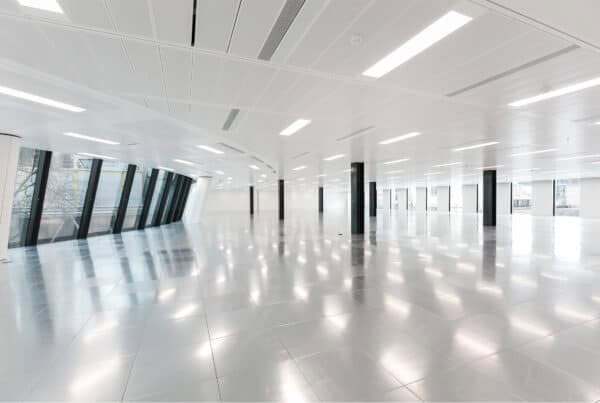
An end-of-lease project may involve returning premises to the repair and reinstatement standard required by the lease, sometimes a neutral Cat A-style condition.
What Are Dilapidations In A Commercial Lease?
So, what are dilapidations in practical terms? They are items of disrepair, redecoration, reinstatement or other non-compliance that a landlord says the tenant must remedy under the lease. They can arise during the tenancy, but are most commonly associated with lease expiry.
A tenant may need to complete works before leaving, or the landlord may seek damages after the tenancy ends. Common obligations include keeping premises in repair, decorating, removing tenant alterations and yielding up the property in the agreed condition.
In office fit-out practice, dilapidations can involve works completed when a tenant vacates to return the office to a lettable Cat A condition. This is not a universal rule, so the actual standard must be checked against the lease. Where reinstatement is required, Category A fit out specialists can turn an agreed scope into a costed programme.
What Do Dilapidations Mean For A Tenant?
People searching what does dilapidations mean are usually trying to understand their financial and operational exposure. Liability depends on the lease wording, the property’s condition, permissions granted during the term and the landlord’s plans after the tenant leaves.
Understanding what are dilapidations early gives the tenant time to obtain advice, budget and decide whether completing the works may be more economical than negotiating a settlement. It also prevents lease-end repairs from colliding with an office relocation programme, furniture removal and IT migration.
What Is A Schedule Of Dilapidations?
What is a schedule of dilapidations? It is an itemised document setting out alleged lease breaches and the remedial work the landlord considers necessary. It may include estimated costs and is commonly prepared by a building surveyor. Items should be separated into categories such as repair, reinstatement and redecoration.
An interim schedule may be served while the lease continues. A terminal schedule relates to the end of the tenancy. For terminal commercial dilapidations in England and Wales, the landlord may also issue a Quantified Demand substantiating the monetary claim.
The tenant and its surveyor can respond item by item, identifying what is agreed, disputed or superseded by the landlord’s plans. The document may become a Scott Schedule so both positions can be compared clearly. RICS guidance covers the preparation of schedules, Quantified Demands, responses and Scott Schedules.
What Are Dilapidations Likely To Include?
The answer to what are dilapidations varies between leases and buildings. Typical items can include:
- Repairing damaged walls, doors, ceilings, floors or finishes
- Redecorating areas covered by the tenant’s covenants
- Removing partitions, cabling, signage, branding or bespoke joinery
- Reinstating layouts altered under licences for alterations
- Repairing building services where the tenant is responsible
- Clearing contents, waste and completing making-good works
Elements introduced during a commercial office fit-out are not automatically dilapidations. Whether they must remain or be removed depends on the lease, licences and any reinstatement notices. The Protocol requires alleged breaches and proposed remedies to be separated into relevant categories, including repair, reinstatement and redecoration.
Partitions, cabling, branding and bespoke features may form part of a tenant’s fit-out. The lease and approvals determine whether they must be removed.
When Are Dilapidations Raised?
What are dilapidations during the lease compared with those at expiry? Interim dilapidations address breaches while the tenant remains in occupation. Terminal dilapidations concern the premises when the tenancy ends.
Under the Dilapidations Protocol for terminal claims in England and Wales, a schedule will generally be sent within 56 days after termination, together with a Quantified Demand where damages are sought. The tenant will usually have 56 days to respond. The parties should then negotiate and consider alternative dispute resolution before litigation.
What Are Dilapidations Costs Based On?
A schedule’s total is not automatically the amount the tenant must pay. Commercial dilapidations should reflect the landlord’s likely loss, which may differ from the cost of every listed work. Items should not be claimed where they will be superseded by intended refurbishment or redevelopment.
Section 18 of the Landlord and Tenant Act 1927 can limit damages for breaches of repair covenants by reference to the reduction in the value of the landlord’s interest. It does not automatically apply to every reinstatement or decoration item. Tenants should obtain advice from a dilapidations surveyor and property solicitor before accepting a claim or commissioning works.
The Protocol also states that a Quantified Demand should be restricted to the landlord’s likely loss, which is not necessarily the same as the cost of completing every remedial item. Works that are likely to be superseded by the landlord’s plans should not be included.
How Can Tenants Prepare For Commercial Dilapidations?
The best time to ask what are dilapidations is well before the removal team arrives:
- Review the lease, licences for alterations, schedule of condition and correspondence.
- Commission a survey so potential obligations can be identified and costed.
- Compare the landlord’s requirements with planned repair and reinstatement work.
- Agree the scope before appointing contractors, avoiding work the landlord intends to replace.
- Retain photographs, certificates, invoices and handover records.
Focused obligations may be delivered by a small works contractor in London. More extensive reinstatement may need coordination with an office refurbishment in London or the landlord’s plans for the next occupier.
What Are Dilapidations FAQs?
Are Dilapidations Always Payable?
No. Liability and the value of any claim depend on the lease, evidence, landlord’s loss and future intentions. Items may be disputed, reduced or superseded. Even where a landlord identifies valid lease breaches, the value of the resulting claim may be lower than the total estimated cost of the works.
Can A Tenant Complete Dilapidation Works Before Leaving?
Often, yes. This can provide greater control over cost and quality, but the tenant should confirm the scope, permissions and timing before starting. Once the tenancy ends, the tenant may no longer have an automatic right to enter the premises and complete further work.
Who Prepares A Schedule Of Dilapidations?
It is commonly prepared and endorsed by the landlord’s building surveyor. The tenant should normally appoint its own surveyor to review the schedule. RICS advises that schedules are usually prepared by building surveyors and sets professional standards for their preparation and response.
Plan Dilapidation Works Before Lease Expiry
Once you understand what dilapidations are, establish what the lease requires and create a realistic delivery plan. Early inspection, professional advice and coordinated contracting can reduce uncertainty and help the tenant leave the premises in an agreed condition.
Virtus can support the construction element of commercial dilapidations, from targeted repairs and strip-out work to larger reinstatement and Cat A projects. The legal scope should first be agreed with the tenant’s surveyor and solicitor.

